

Choosing the best rehab in India is a critical step for individuals struggling with alcohol addiction, drug dependency, or other substance use disorders. A professional rehabilitation centre provides structured treatment, medical support, counseling, and recovery programs that help individuals regain control of their lives and achieve long-term sobriety.
With numerous rehabilitation centres available across the country, selecting the right facility requires careful evaluation of treatment methods, medical expertise, success rates, and aftercare support. Understanding what makes a rehab centre effective can help individuals and families make informed decisions during a challenging time.
A rehabilitation centre is a specialized healthcare facility that helps individuals recover from alcohol addiction, drug dependence, substance abuse disorders, and related mental health conditions. These centres provide structured treatment programs designed to address the physical, psychological, emotional, and behavioral aspects of addiction.
The primary goal of a rehabilitation centre is not only to help people stop using addictive substances but also to equip them with the skills, coping mechanisms, and support systems needed to maintain long-term recovery and prevent relapse.
Modern rehabilitation centres use a combination of medical care, counseling, behavioral therapies, wellness programs, and aftercare planning to support every stage of the recovery journey.
Most rehabilitation centres provide a wide range of treatment services, including:
These services work together to help patients understand the root causes of addiction while developing healthier lifestyle habits and recovery strategies.
Rehabilitation centres follow a structured treatment process that typically includes several stages.
The recovery journey usually begins with a comprehensive assessment conducted by addiction specialists, psychiatrists, and medical professionals. This evaluation helps determine the severity of addiction, mental health concerns, physical health conditions, and treatment requirements.
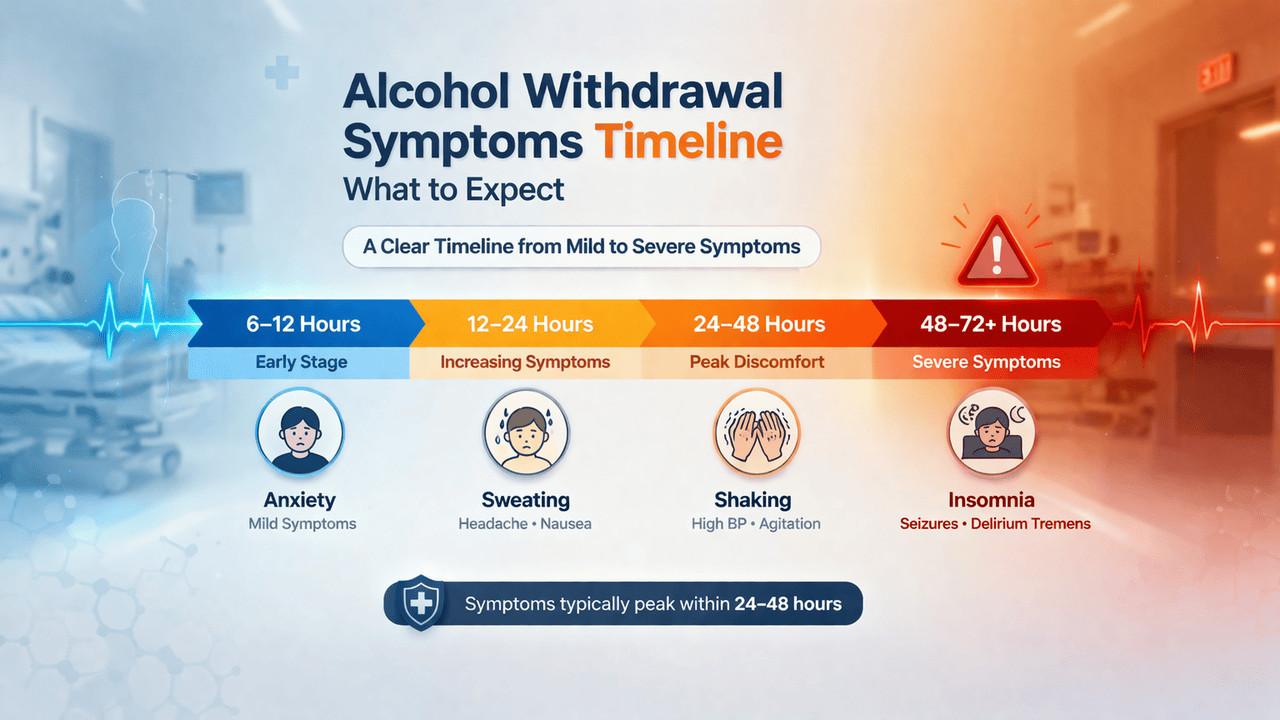
Detoxification is often the first stage of treatment. During detox, harmful substances are removed from the body while medical professionals monitor and manage withdrawal symptoms.
This phase is especially important for individuals struggling with alcohol addiction, opioid dependence, or long-term substance abuse because withdrawal symptoms can sometimes be severe.
After detox, patients participate in various therapeutic programs designed to address the psychological aspects of addiction. Therapy helps individuals identify triggers, understand addictive behaviors, improve emotional regulation, and develop healthy coping strategies.
Patients learn practical techniques to manage cravings, handle stress, avoid high-risk situations, and maintain long-term sobriety. Relapse prevention planning plays a critical role in sustainable recovery.
Recovery continues even after leaving the rehabilitation centre. Many facilities offer follow-up counseling, support groups, recovery coaching, and alumni programs to help individuals remain committed to their recovery goals.
Addiction is a chronic and complex condition that affects brain function, behavior, emotional well-being, relationships, and overall quality of life. It is not simply a lack of willpower but a medical condition that often requires professional intervention and ongoing support.
Whether addiction involves alcohol, prescription medications, opioids, cannabis, cocaine, or other substances, prolonged substance use can lead to significant physical, psychological, and social consequences.
Recognizing addiction early can improve treatment outcomes. Some common warning signs include:
Many individuals attempt to overcome addiction on their own but struggle due to withdrawal symptoms, psychological dependence, and environmental triggers.
Professional treatment significantly increases the likelihood of successful recovery compared to attempting recovery without medical or therapeutic support.
Many individuals experiencing addiction also struggle with mental health conditions such as depression, anxiety disorders, trauma, stress-related disorders, or personality disorders.
The best rehabilitation centres provide integrated treatment programs that address both addiction and mental health challenges simultaneously. This comprehensive approach improves overall well-being and supports long-term recovery success.
Recovery is not simply about stopping alcohol or drug use. It is about rebuilding physical health, improving mental wellness, restoring relationships, developing healthy habits, and creating a meaningful life free from addiction.
With the right treatment program, professional support, and commitment to recovery, individuals can successfully overcome addiction and achieve lasting personal transformation.
Also Read:- Top Luxury De Addiction Centres in India, De Addiction Centres in India
Choosing the best rehab in India involves much more than comparing facilities or treatment costs. An effective rehabilitation centre should provide comprehensive addiction treatment, experienced medical professionals, evidence-based therapies, mental health support, and long-term recovery planning. Since every individual experiences addiction differently, the best rehabilitation centres focus on personalized treatment rather than generic recovery programs.
A high-quality rehab centre addresses not only substance dependence but also the underlying emotional, psychological, and behavioral factors that contribute to addiction. The following factors can help determine whether a rehabilitation centre is capable of delivering successful recovery outcomes.
The foundation of any successful rehabilitation program is a qualified and experienced medical team. Leading rehabilitation centres employ psychiatrists, psychologists, addiction specialists, counselors, nurses, and wellness professionals who understand the complexities of addiction recovery.
Professional medical supervision is especially important during detoxification, withdrawal management, mental health treatment, and relapse prevention planning. An experienced team can identify co-occurring disorders such as anxiety, depression, trauma, or stress-related conditions that may influence recovery outcomes.
Detoxification is often the first step in addiction treatment. During this phase, the body eliminates harmful substances while managing withdrawal symptoms in a safe and controlled environment.
Alcohol withdrawal and drug withdrawal can sometimes cause serious physical and psychological complications. Medically supervised detox programs provide continuous monitoring, medication management when necessary, and professional support to ensure patient safety throughout the detox process.
The best rehabilitation centres use evidence-based treatment methods that have been scientifically proven to support addiction recovery.
Common therapeutic approaches include:
These therapies help individuals identify addiction triggers, develop healthier coping mechanisms, improve emotional regulation, and build skills needed for long-term sobriety.
Addiction affects not only the individual but also family members and close relationships. Family counseling programs help rebuild trust, improve communication, and educate loved ones about the recovery process.
Many successful rehabilitation centres actively involve families in treatment planning because strong family support often contributes to better long-term recovery outcomes and lower relapse rates.
Many individuals struggling with addiction also experience mental health conditions such as depression, anxiety disorders, trauma, stress, or personality disorders.
The best rehabilitation centres provide integrated treatment programs that address both addiction and mental health concerns simultaneously. This approach helps improve overall well-being and supports sustainable recovery.
Recovery does not end when a patient leaves the rehabilitation centre. Long-term success depends heavily on aftercare planning and ongoing support.
Effective aftercare services may include:
These programs help individuals maintain sobriety and successfully navigate challenges after completing residential treatment.
Selecting the right rehabilitation centre can make a significant difference in the recovery journey. At Best Luxury Rehab in India, we help individuals and families connect with trusted rehabilitation centres that provide comprehensive addiction treatment, personalized recovery programs, and professional medical support.
Recovery is not simply about overcoming substance dependence. It involves addressing the physical, emotional, psychological, and behavioral factors that contribute to addiction. Our focus is to help individuals find rehabilitation solutions that support long-term healing and sustainable recovery.
Every individual experiences addiction differently. Factors such as substance use history, mental health conditions, physical health concerns, and personal recovery goals require a customized treatment approach.
The rehabilitation centres we recommend offer personalized treatment plans that may include medical detoxification, individual counseling, behavioral therapies, family support programs, and relapse prevention strategies designed to meet the specific needs of each patient.
Successful recovery often requires guidance from experienced healthcare professionals. Leading rehabilitation centres work with psychiatrists, psychologists, addiction counselors, therapists, and medical specialists who understand the complexities of addiction treatment and mental health recovery.
Professional supervision helps ensure that patients receive appropriate care throughout every stage of treatment, from detoxification to aftercare planning.
Detoxification is often the first step toward recovery. Many rehabilitation centres provide medically supervised detox programs that help individuals manage withdrawal symptoms safely and comfortably.
Following detox, patients receive structured treatment through counseling, therapy sessions, wellness programs, and recovery planning that support both physical and emotional healing.
At Best Luxury Rehab in India, our goal is to simplify the search for quality addiction treatment and recovery services. Whether you are looking for alcohol rehabilitation, drug addiction treatment, luxury rehab facilities, detox centres, or mental health support programs, we help connect individuals with trusted rehabilitation centres that prioritize personalized care, professional treatment, and long-term recovery success.
Taking the first step toward treatment can be challenging, but the right rehabilitation centre can provide the guidance, support, and resources needed to achieve lasting recovery and improved quality of life.
India offers several types of rehabilitation centres designed to address different forms of addiction and recovery needs. Understanding the available options can help individuals choose the most suitable treatment program.
Alcohol rehabilitation centres specialize in treating alcohol dependence and alcohol use disorders. Treatment typically includes medical detoxification, behavioral therapy, counseling, relapse prevention strategies, and recovery planning.
These facilities help individuals overcome physical dependence while addressing emotional and psychological factors that contribute to alcohol addiction.
Drug rehabilitation centres focus on helping individuals recover from substance abuse involving opioids, heroin, cocaine, cannabis, synthetic drugs, prescription medications, and other addictive substances.
Treatment programs often include detoxification, psychiatric evaluation, therapy sessions, mental health support, and structured recovery programs designed to promote long-term sobriety.
Luxury rehabilitation centres provide addiction treatment within a private and comfortable environment. These facilities often offer premium accommodations, personalized treatment plans, wellness therapies, recreational activities, nutritional support, and enhanced confidentiality.
Luxury rehab centres are particularly popular among professionals, executives, entrepreneurs, and individuals seeking a higher level of privacy during recovery.
De-addiction centres provide comprehensive treatment for various forms of substance dependence and addictive behaviors. Their primary focus is helping individuals achieve long-term recovery through medical treatment, counseling, behavioral therapies, and relapse prevention strategies.
These centres often treat alcohol addiction, drug addiction, prescription medication dependence, and other substance-related disorders while supporting patients throughout their recovery journey.
Some rehabilitation centres specialize in specific treatment areas such as dual diagnosis treatment, adolescent addiction recovery, mental health rehabilitation, executive recovery programs, and trauma-focused therapy.
These specialized programs provide targeted support for individuals with unique treatment requirements and complex recovery challenges.
Modern rehabilitation centres use a combination of medical treatment, psychological counseling, and behavioral therapies to address addiction from multiple angles. Since addiction affects both physical and mental health, successful recovery requires a comprehensive treatment approach tailored to the individual's needs.
Cognitive Behavioral Therapy (CBT) is one of the most widely used therapies in addiction treatment. This evidence-based approach helps individuals identify negative thought patterns and behaviors that contribute to substance abuse. Through CBT, patients learn practical coping strategies, stress management techniques, and healthier ways to respond to triggers that may lead to relapse.
Individual counseling provides a confidential environment where patients can discuss personal challenges, emotional struggles, trauma, anxiety, depression, and recovery goals. One-on-one sessions with experienced counselors help individuals gain a deeper understanding of their addiction and develop personalized strategies for long-term recovery.
Group therapy allows individuals to connect with others who are facing similar challenges. These sessions encourage peer support, accountability, open communication, and shared learning experiences. Group discussions often help patients feel less isolated while building confidence and motivation throughout the recovery journey.
Addiction can significantly impact family relationships. Family therapy helps rebuild trust, improve communication, and educate loved ones about addiction and recovery. Involving family members in the treatment process often strengthens the support system needed for sustained sobriety after rehabilitation.
Many leading rehabilitation centres integrate holistic wellness programs into their treatment plans. These therapies may include yoga, meditation, mindfulness training, fitness activities, nutritional counseling, and stress management techniques. Holistic therapies support emotional well-being, mental clarity, and overall recovery while promoting a healthier lifestyle.
Relapse prevention is a critical component of addiction recovery. Patients learn how to identify triggers, manage cravings, handle stressful situations, and maintain healthy routines. These strategies help reduce the risk of returning to substance use after completing treatment.
The cost of rehabilitation in India varies depending on several factors, including treatment type, facility location, accommodation standards, duration of care, medical services, and specialized therapy programs.
Government-supported rehabilitation centres provide affordable addiction treatment services and basic recovery support programs.
Average Cost: ₹5,000 to ₹20,000 per month
Standard rehab facilities offer structured treatment programs, counseling services, medical supervision, and recovery planning at moderate costs.
Average Cost: ₹25,000 to ₹80,000 per month
Premium rehabilitation centres provide enhanced facilities, specialized treatment plans, experienced professionals, and comprehensive recovery programs.
Average Cost: ₹80,000 to ₹2,50,000 per month
Luxury rehabilitation centres offer private accommodations, personalized treatment plans, wellness therapies, executive recovery programs, and high levels of confidentiality.
Average Cost: ₹2,50,000 to ₹10,00,000+ per month
When evaluating treatment costs, individuals should consider the quality of care, medical expertise, therapy options, aftercare support, and long-term recovery benefits rather than focusing solely on pricing.
Both luxury and standard rehabilitation centres aim to help individuals overcome addiction and achieve lasting recovery. However, luxury rehab centres provide additional amenities, privacy, and personalized care that may enhance the treatment experience.
Luxury rehabilitation centres often cater to business professionals, executives, celebrities, and individuals seeking a highly confidential recovery environment. Private rooms and strict confidentiality policies help patients focus entirely on treatment.
Luxury facilities generally maintain a lower patient-to-staff ratio, allowing for individualized treatment programs tailored to specific recovery needs.
Many luxury rehabilitation centres offer wellness-focused services such as yoga therapy, meditation programs, fitness training, nutritional planning, and recreational activities that support physical and emotional healing.
Private suites, peaceful surroundings, and premium amenities create a comfortable environment that may reduce stress and improve treatment engagement.
Regardless of the facility type, the most important factor is selecting a rehabilitation centre that provides evidence-based treatment, qualified professionals, and strong aftercare support.
Several Indian cities have developed strong reputations for providing high-quality addiction treatment and rehabilitation services.
Delhi is home to numerous rehabilitation centres offering advanced medical care, psychiatric support, detoxification programs, and specialized addiction treatment services. The city provides access to experienced healthcare professionals and modern treatment facilities.
Mumbai offers a wide range of rehabilitation centres known for evidence-based treatment methods, comprehensive counseling programs, and structured recovery support. Many centres also provide luxury rehabilitation options with enhanced privacy and comfort.
Bengaluru has become a preferred destination for addiction recovery due to its integrated approach to mental health and substance abuse treatment. The city offers professional rehabilitation programs in a supportive and therapeutic environment.
Hyderabad provides high-quality rehabilitation services with experienced addiction specialists, modern treatment facilities, and cost-effective recovery programs. Many individuals choose Hyderabad for its balance of affordability and professional care.
Pune's peaceful atmosphere and growing healthcare infrastructure make it a popular choice for rehabilitation. The city offers specialized treatment centres focused on long-term recovery, mental health support, and holistic wellness programs.
Choosing the right city depends on individual treatment requirements, privacy preferences, family involvement, accessibility, and the type of rehabilitation program needed for successful recovery.
Selecting the right rehabilitation centre is one of the most important decisions in the recovery journey. The quality of treatment, medical support, therapy programs, and aftercare services can significantly influence long-term recovery outcomes. Before choosing a rehab centre, consider the following factors carefully.
Every rehabilitation centre follows a specific treatment philosophy. Some centres focus on medical treatment, while others combine medical care with psychological counseling, behavioral therapies, and holistic wellness programs.
A quality rehabilitation centre should offer personalized treatment plans based on the individual's addiction history, mental health condition, and recovery goals. Look for facilities that use evidence-based approaches such as Cognitive Behavioral Therapy (CBT), Motivational Enhancement Therapy, and relapse prevention strategies.
The expertise of doctors, psychiatrists, psychologists, and addiction counselors plays a vital role in successful recovery. Before selecting a rehab centre, verify whether the facility has licensed medical professionals experienced in addiction treatment and mental health care.
Professional supervision is especially important during detoxification and withdrawal management, where medical complications may occur.
Detoxification is often the first stage of addiction treatment. During detox, the body eliminates harmful substances while managing withdrawal symptoms under medical supervision.
A rehabilitation centre that provides medically supervised detox services can help ensure patient safety and comfort during this critical phase of recovery.
Addiction is not only a physical condition but also a psychological and emotional challenge. Effective rehabilitation centres provide multiple therapeutic options, including:
These therapies help patients identify triggers, develop healthy coping mechanisms, and build a strong foundation for long-term sobriety.
Addiction often affects the entire family. Family counseling programs help rebuild trust, improve communication, and educate family members about the recovery process.
Many leading rehabilitation centres include family therapy sessions as part of their treatment plans because strong family support can significantly improve recovery outcomes.
Recovery does not end after completing a treatment program. One of the most important aspects of rehabilitation is teaching patients how to prevent relapse.
Look for centres that provide relapse prevention planning, trigger management techniques, stress management training, and ongoing recovery support.
Aftercare services are essential for maintaining long-term sobriety. The best rehabilitation centres continue supporting patients even after they leave the facility.
Effective aftercare programs may include:
These services help individuals stay committed to their recovery goals.
Reviews and testimonials can provide valuable insight into the quality of care offered by a rehabilitation centre. Reading patient experiences can help you understand the effectiveness of treatment programs, staff behavior, facility standards, and overall patient satisfaction.
However, reviews should be considered alongside other evaluation factors rather than being the sole deciding factor.
Some individuals prefer rehabilitation centres close to home for family involvement, while others choose facilities in different cities for greater privacy and focus.
Luxury rehabilitation centres often provide confidential treatment environments, private accommodations, and enhanced privacy measures that may be important for professionals, executives, and public figures.
Rehabilitation costs vary depending on the facility type, treatment program, accommodation level, and duration of care.
Before enrolling, understand:
The goal should be to choose a rehabilitation centre that offers the right balance between quality care and affordability.
The best rehab in India is not necessarily the most expensive facility. It is the centre that provides personalized treatment, experienced medical professionals, effective therapies, comprehensive aftercare, and a supportive recovery environment. Taking time to evaluate these factors can significantly improve the chances of successful long-term recovery.
Most treatment programs range from 30 to 90 days, although longer-term programs may be recommended for severe addiction cases.
Success rates vary depending on treatment quality, patient commitment, family involvement, and aftercare support.
In many cases, detoxification is the first step of treatment because it helps safely manage withdrawal symptoms before therapeutic interventions begin.
Yes. Many rehabilitation centres include family counseling and educational programs as part of the recovery process.
Finding the best rehab in India involves more than comparing facilities. Effective rehabilitation requires professional medical care, evidence-based therapies, mental health support, family involvement, and long-term recovery planning. By choosing a reputable rehabilitation centre that focuses on personalized treatment and holistic recovery, individuals can build a strong foundation for lasting sobriety and a healthier future.
In this article we have shared about “Best Rehab in India: Finding the Right Rehabilitation Centre for Long-Term Recovery”. For latest updates keep reading our Blog section and to book appointment please Call us at +91 8310233696 or send your query now.
Last Updated on: 18 June 2026





DOCTOR MBBS, MD (PSYCHIATRY) Dr. Niharika Singh received her MBBS degree from Kurukshetra University, following which she went on to complete MD Psychiatry from Rajiv Gandhi University of Health Sciences, Bangalore.